Information for Teachers
Benefits of esports for students: A teacher’s guide
Esports, or competitive video gaming, is rapidly gaining popularity among children and teenagers, particularly in regional and remote communities. While some teachers may have reservations about incorporating gaming into educational settings, there is growing evidence that structured esports programs can support key learning outcomes and complement the work already happening in classrooms.
Boosting engagement and academic motivation
Esports offers teachers a powerful tool for re-engaging students who may be disengaged from traditional learning. Because esports builds on something students already care deeply about, it generates authentic motivation that carries over into broader school participation. Schools that have introduced structured esports programs have reported significant improvements in attendance and a positive ripple effect on engagement across other subject areas. In the context of the EsportsAble project, inclusive esports events are designed to create a sense of purpose and belonging, particularly for adolescents with psychosocial disabilities, helping teachers reach students who may otherwise be difficult to connect with.
Supporting skill development across the curriculum
Esports naturally reinforces many of the skills teachers are already working to develop — strategic thinking, communication, problem-solving, and collaboration. Because these skills are practised in real time through structured, team-based gameplay, students experience them as genuinely meaningful rather than abstract. Esports also encourages independent inquiry and media literacy, as students are motivated to research strategies, evaluate sources, and reflect on their performance. These habits of mind transfer directly to academic learning across multiple subject areas, including English, mathematics, science, and digital technologies. The EsportsAble project is designed with these cross-curricular connections in mind, and can be a valuable complement to existing classroom programs.
Fostering social-emotional learning and inclusion
Structured esports creates natural opportunities for students to practise emotional regulation, conflict resolution, and empathy — core components of social-emotional learning. It is also notably inclusive: students who do not engage with traditional sports or extracurricular activities often find in esports a space where they can contribute, lead, and belong. Research suggests that esports programs can be particularly beneficial for students with autism, ADHD, or social anxiety, and the EsportsAble project specifically prioritises participation by adolescents with psychosocial disabilities, fostering mentorship and guided community involvement within a safe and supportive environment.
Addressing challenges
Teachers may have understandable concerns about screen time, the appropriateness of game content, or the potential for gaming to distract from academic priorities. The EsportsAble project addresses these directly by using age-appropriate titles, implementing clear safety protocols, and embedding academic accountability into program design. Teachers are partners in this process — not expected to be gaming experts — and will be supported with resources, professional guidance, and structured frameworks that align with school priorities.
By approaching esports as an educational tool rather than a distraction, the EsportsAble Academy aims to help teachers unlock new pathways to student engagement, skill development, and wellbeing. We encourage you to explore the resources provided on this page and to reach out if you have any questions about how the project can work alongside your existing practice.
Frequently asked questions
-
The EsportsAble Academy will work with school leadership to decide on a plan that is aligned to the interest and capability of each school.
We will then work with a student leadership team to action their school plan. Students partcipating in the leadership development program will be supportedf by staff at the Queensland University of Technology.
-
The 2026 EsportsAble Academy program will focus on one of the most popular esports games - Rocket League. This game is rated “G” and is a fun game where cars play soccer.
Of course, schools may feature other approved esports. We encourage you to reach out to your child’s school directly for information on other supported esports titles.
-
Schools wanting to initiate the EsportsAble Event Leadership program will manage the permission process.
-
There is no cost to participate in the EsportsAble Academy, however, we do ask students to help us improve the program by providing feedback on Academy activities.
Featured Teacher Resources
This report explores how esports, or organized competitive video gaming, can serve as a powerful tool for education by supporting skill development, social-emotional learning, and career readiness.
Resource by Joey Sciotto supported by Respawn Youth
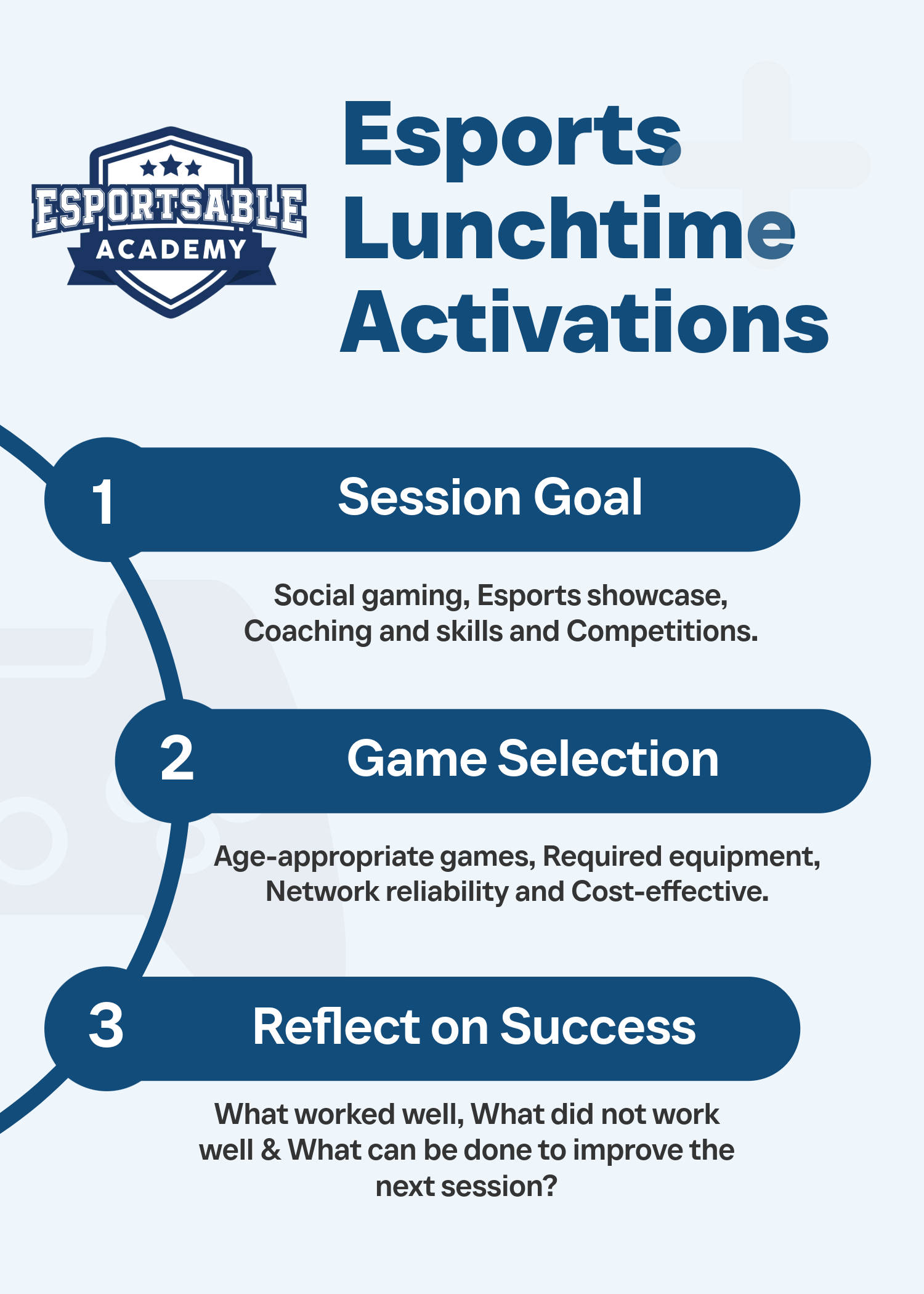
A detailed beginner breakdown of the key steps to creating esports lunchtime activations at your school:
Establish session outcomes
Select a game
Reflect on success

Learn about the evidence-based benefits of including esports programs within high schools.
Research supported by the Network of Academic and Scholastic Esports Federations (2025).
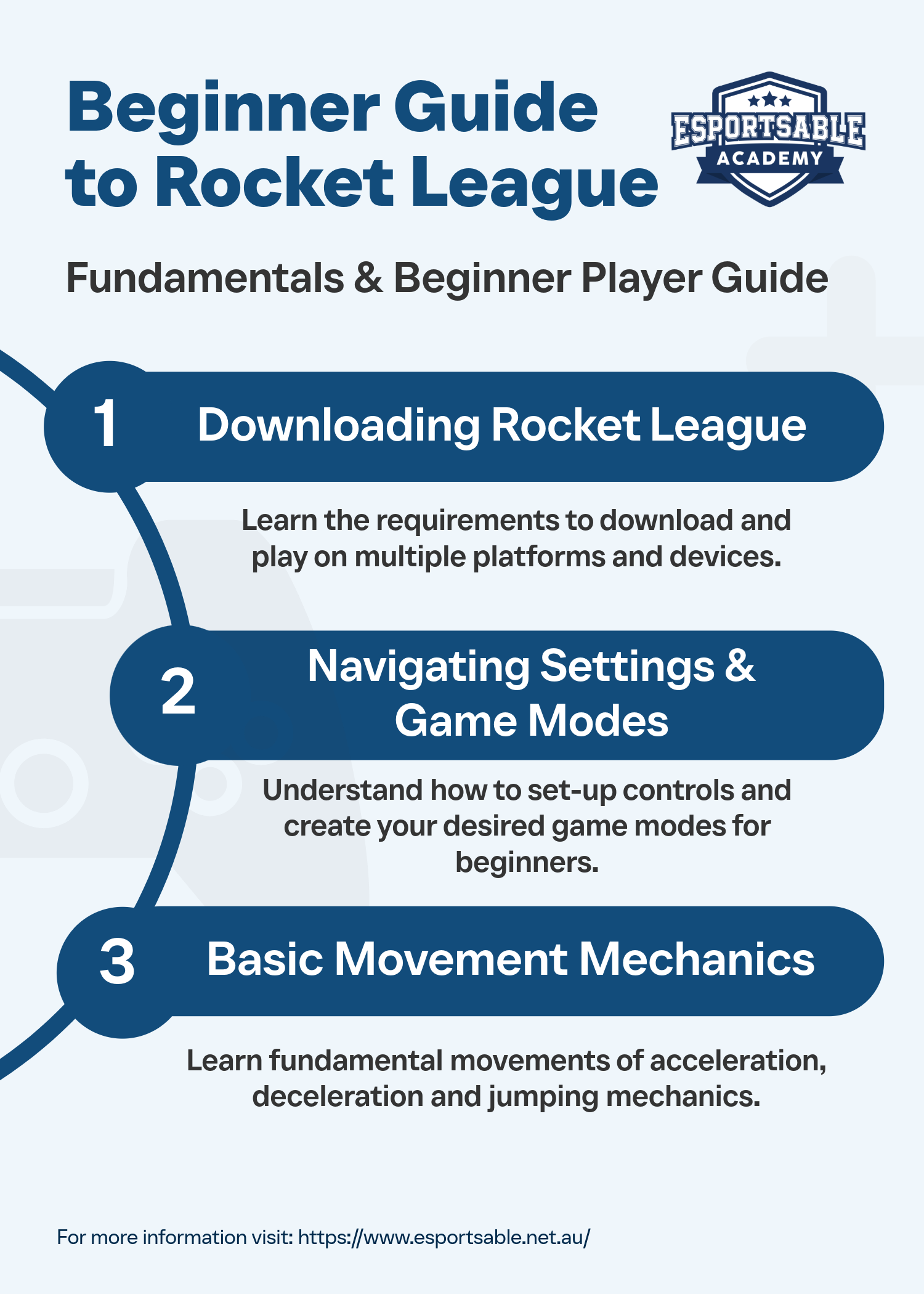
A guide for first-time users and players to Rocket League from how to:
Download the game for free on your device
Navigate the game to adjust your settings
Navigate game modes to suit your gaming needs
Basic introduction to movement mechanics